
If you’re making plant-based milk at home, the ingredient you choose matters more than you might expect. Different nuts and bases vary widely in protein, fat, flavor, and how they perform in coffee or cooking. This guide compares the best options so you can choose the right one for your needs.
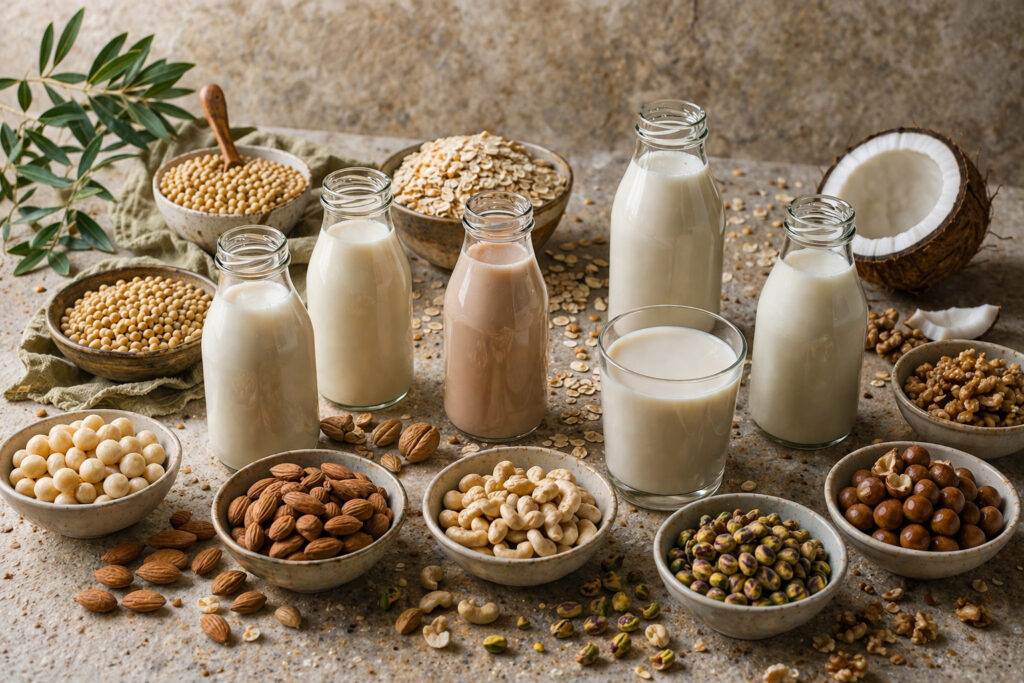
Plant-based milk isn’t one thing. The ingredient you choose changes the nutrition, the taste, and how it actually works in your kitchen.
Most store-bought options hide those differences behind dilution and additives. When you make milk at home, they become obvious.
That’s why it makes more sense to think in categories. Some options are better for daily nutrition. Others are better for flavor, texture, or cooking.
Understanding the Differences: Nutrition and Flavor
Not all plant-based milks are interchangeable. The ingredient you start with directly affects nutrition, taste, and how the milk behaves in real use.
Some are built around protein and mineral density. Others are driven by texture or flavor. Before comparing them side by side, it helps to understand what each one brings on its own.
Below is a quick breakdown of each base ingredient, followed by a detailed nutritional comparison table.
Soybeans
Soy is the most nutritionally complete option, with a high protein content and a strong mineral profile. It stands out as the closest plant-based alternative to dairy in terms of overall balance.
Flavor is mild with a subtle bean note, and the texture is naturally creamy and structured.
Almonds
Almonds are lighter nutritionally, with less protein but strong antioxidant content, especially vitamin E.
Flavor is clean and slightly nutty, with a thinner, more refreshing texture unless concentrated.
Cashews
Cashews offer moderate nutrition but excel in texture, thanks to their fat content and smooth blending properties.
Flavor is mild and slightly sweet, and the texture is rich and creamy with minimal effort.
Pistachios
Pistachios provide a balanced mix of fats, protein, and micronutrients, with a slightly more premium nutritional profile than almonds.
Flavor is naturally sweet and aromatic, making it one of the most distinctive options.
Oats
Oats are higher in carbohydrates and provide functional fiber, particularly beta-glucans associated with heart health.
Flavor is mild with natural sweetness, and the texture is smooth and consistent.
Coconut
Coconut is high in fat, particularly MCTs, and lower in protein, making it more of an energy-dense ingredient than a balanced daily milk.
Flavor is strong and unmistakable, with a rich and creamy texture.
Macadamia Nuts
Macadamia nuts are extremely high in healthy fats and low in protein, creating a rich but less nutritionally balanced profile.
Flavor is smooth, slightly sweet, and buttery, with a very soft, luxurious texture.
Walnuts
Walnuts stand out for their omega-3 content and overall functional nutrition.
Flavor is more complex, slightly earthy with mild bitterness, and the texture is moderate.
Hazelnuts
Hazelnuts provide a mix of healthy fats and antioxidants, with nutrition that supports overall balance but is not protein-focused.
Flavor is distinct and slightly sweet, often associated with dessert-style profiles, with a smooth, medium-bodied texture.
Now that you have a sense of how each one differs in both nutrition and flavor, the table below compares the key nutrients side by side based on 50g of each ingredient, so you can see exactly where each one stands.
Nutritional Comparison of Nuts for Milk (Per 50g)
| Nutrient | Soybeans | Almonds | Cashews | Pistachios | Oats | Coconut | Macadamia | Walnuts | Hazelnuts |
|---|---|---|---|---|---|---|---|---|---|
| Calories (kcal) | 220 | 290 | 275 | 280 | 190 | 330 | 360 | 325 | 315 |
| Protein (g) | 18–20 | 10–11 | 9 | 10 | 6–7 | 3 | 4 | 7–8 | 7–8 |
| Fat (g) | 9–10 | 25 | 22 | 22 | 3–4 | 32 | 38 | 32 | 30 |
| Carbs (g) | 15–17 | 10–11 | 15 | 14 | 32–34 | 12 | 7 | 7 | 9 |
| Iron (mg) | 4–5 | 1.8 | 3 | 2 | 2 | 2 | 1.5 | 1.5 | 2 |
| Calcium (mg) | 100 | 130 | 20 | 50 | 25 | 15 | 40 | 50 | 55 |
| Magnesium (mg) | 140 | 130 | 140 | 60 | 65 | 40 | 65 | 80 | 80 |
| Potassium (mg) | 850 | 350 | 300 | 500 | 200 | 300 | 180 | 220 | 340 |
| Vitamin E (mg) | 1 | 12–13 | 0.5 | 1.5 | 0.5 | 0.5 | 0.3 | 0.5 | 7 |
| Omega-3 (g) | 0.3 | 0 | 0 | 0 | 0 | 0 | 0 | 4–5 | 0 |
*Values are approximate and based on raw ingredients. Final milk nutrition will vary depending on water ratio and preparation method.
Best for Nutrition (Daily Health Focus)
These are the options that deliver the most functional value if you’re drinking them regularly.
Soy Milk
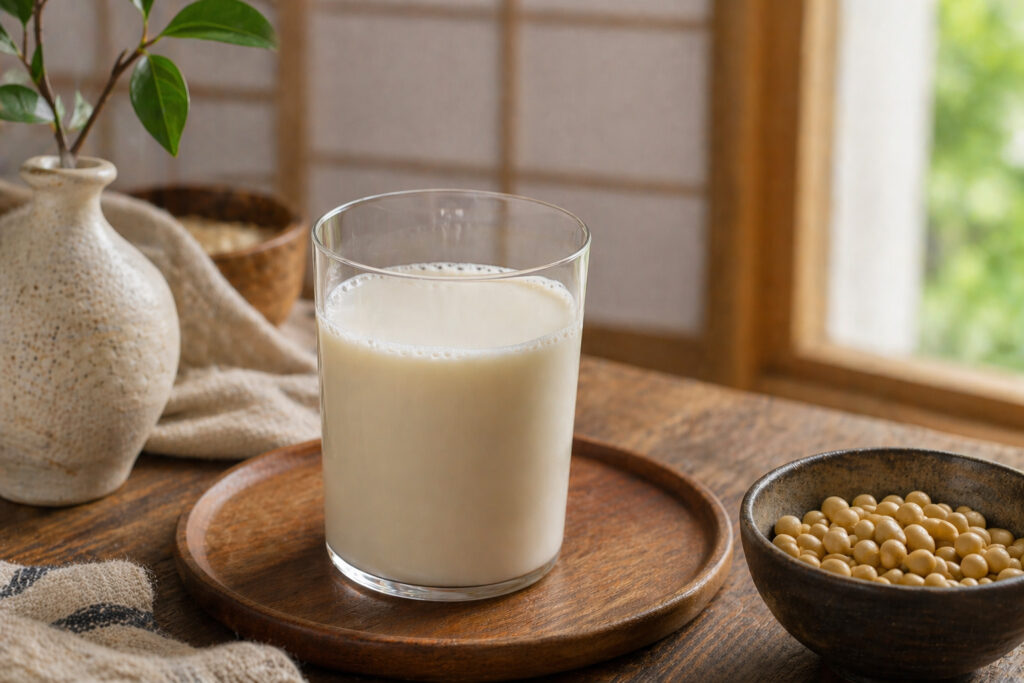
High protein, complete amino acid profile, and one of the most nutritionally balanced options. Best overall choice if you want a daily staple.
Walnut Milk
Rich in omega-3 fatty acids and antioxidants. Not the most popular for taste, but strong from a functional health perspective.
Oat Milk

Contains beta-glucans linked to heart health. Lower in fat and protein, but a solid everyday option with broad appeal.
Where this category fits
If your goal is consistency, health, and replacing dairy in your daily routine, start here.
Best for Flavor (Enjoyment and Variety)
These options stand out when taste is the priority.
Pistachio Milk
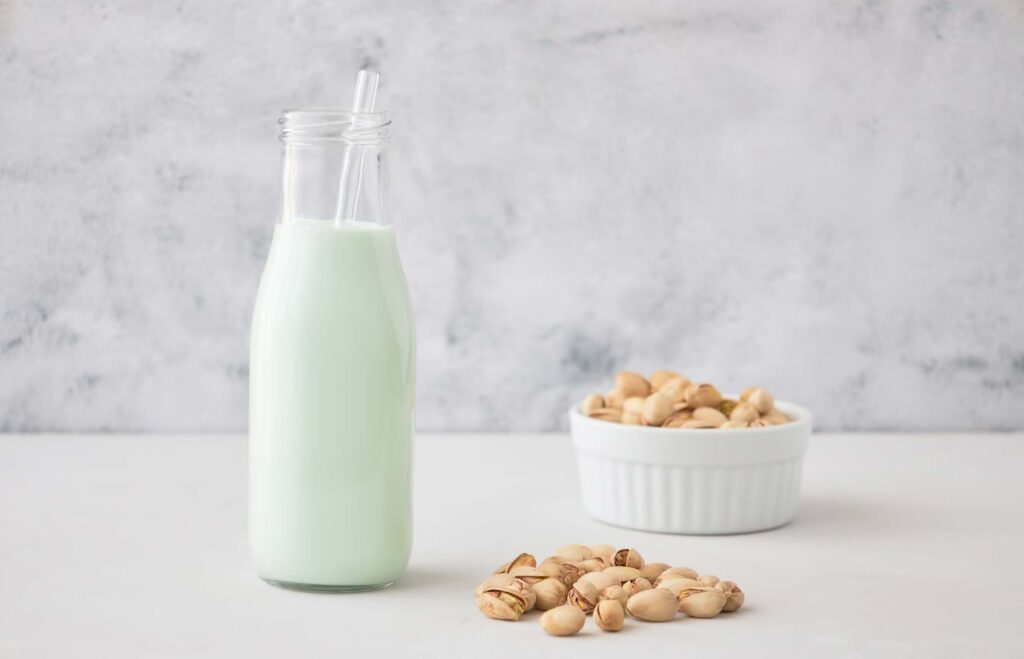
Naturally sweet and aromatic. Feels more premium and works well for specialty drinks.
Hazelnut Milk
Distinct, dessert-like flavor that pairs especially well with coffee.
Almond Milk
Light, clean, and slightly nutty. Not overpowering, which makes it easy to use across different situations.
Where this category fits
If you want something you actually look forward to drinking or something that enhances coffee or desserts, these are the strongest options.
Best for Texture (Creaminess and Mouthfeel)
These are the easiest ways to get a rich, smooth result at home.
Cashew Milk
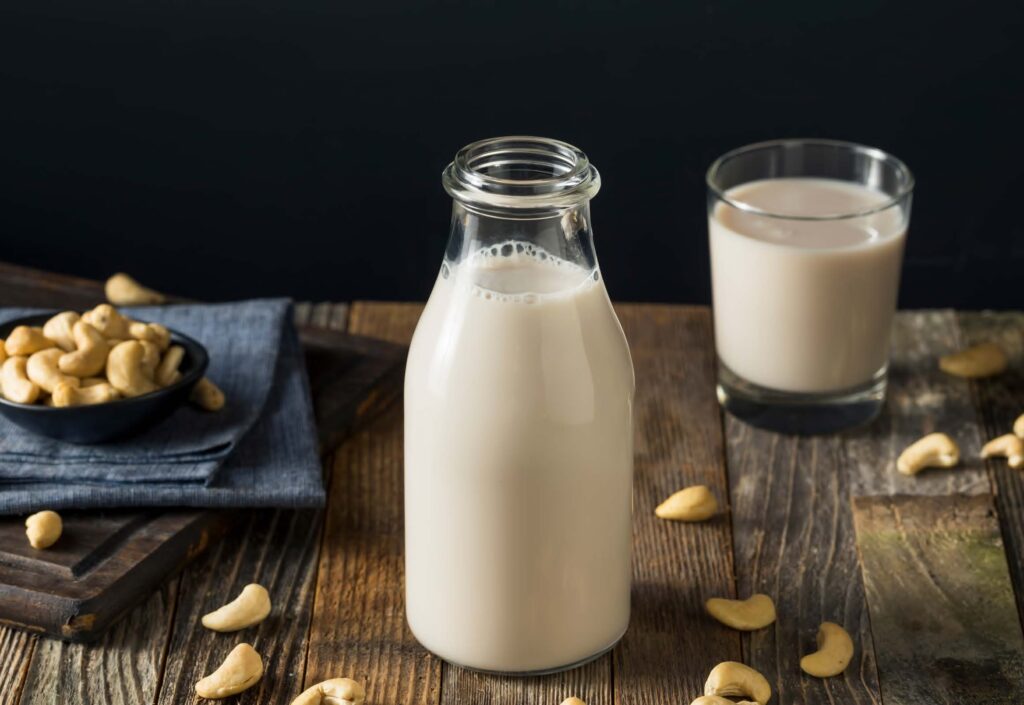
Blends extremely smoothly and creates a naturally creamy texture without much effort.
Macadamia Milk
Buttery, soft, and one of the smoothest mouthfeels you can get from a plant-based milk.
Where this category fits
If your frustration with plant milk is that it feels thin or watery, this is where you solve that.
Best for Cooking (Food Base and Recipes)
These options are less about drinking and more about how they perform in meals.
Coconut Milk
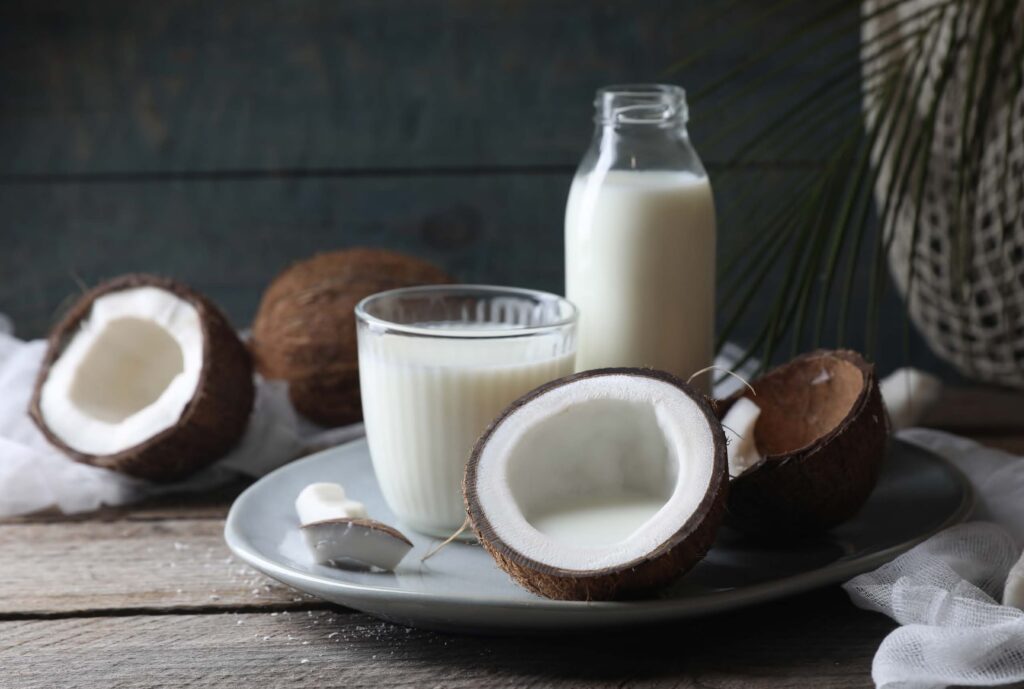
Rich, high-fat, and ideal for soups, curries, and desserts.
Cashew Milk (also fits here)
Works extremely well as a neutral cream base for sauces and blended soups.
Oat Milk (secondary use)
Can be used in baking and lighter cooking applications where you want a neutral base.
Where this category fits
If you are using Nutrify as a food system, not just a drink maker, these become much more important.
Best Plant-Based Milk for Coffee
Not all plant-based milks work well in coffee. The key factors are how they mix, how they affect flavor, and whether they hold texture when heated.
Best Overall: Oat Milk
Blends smoothly, slightly sweet, and very stable in both hot and iced coffee. The most reliable choice.
Best for Creaminess: Cashew or Macadamia
Cashew adds body without overpowering flavor.
Macadamia is even smoother and gives a more premium feel.
Best for Flavor: Hazelnut or Pistachio
Hazelnut pairs naturally with coffee and adds a subtle roasted sweetness.
Pistachio is more aromatic and works well in specialty drinks.
Best High-Protein Option: Soy Milk
Structurally strong and nutritionally dense. Can separate in very acidic coffee if poorly balanced, but performs well when made fresh.
Use with Caution: Almond and Coconut
Almond can be thin unless concentrated.
Coconut tends to overpower coffee and is better for occasional use.
Quick guide
Neutral and reliable: oat
Creamy: cashew or macadamia
Flavor-forward: hazelnut or pistachio
High-protein: soy
How to Think About It
Instead of picking just one, most people naturally fall into a mix:
- Soy or oat for everyday use
- Cashew or macadamia when texture matters
- Almond as a neutral fallback
- Pistachio or hazelnut when you want something different
- Coconut when you are cooking
That flexibility is what makes homemade milk more practical than relying on a single store-bought option.
Why This Works Better with Nutrify
Switching between different plant-based milks usually means buying multiple cartons, each with a short shelf life. Most people end up sticking with one just to avoid waste.
With homemade milk, you are not locked into that. Using dry ingredients like nuts, oats, and beans, you can keep a variety on hand and make only what you need. If you want to try something different, you can make a single serving instead of committing to a full carton.
Nutrify makes that practical by letting you turn those ingredients into fresh milk on demand, so rotating between options becomes something you actually do, not just something you plan to do.